








Nursing Home Abuse Statistics 2026: Comprehensive Data & Trends
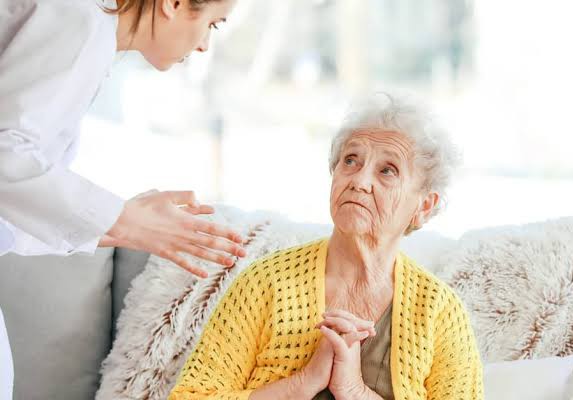
⚠️ ALARMING: Millions of Seniors at Risk
An estimated 1.6-2.5 million seniors experience abuse in nursing homes annually, yet only one in five cases are reported. This article reveals the shocking statistics about elder abuse, the facilities where it occurs, and the vulnerable populations most at risk.
If your loved one shows signs of abuse—unexplained injuries, behavioral changes, weight loss, or fearfulness—take action immediately. Document evidence and contact authorities.
Nursing home abuse is a silent crisis affecting millions of vulnerable elderly Americans. Despite strict regulations and oversight, abuse, neglect, and exploitation continue to devastate families and traumatize residents. Understanding the statistics is essential to recognizing the scope of the problem, identifying risk factors, and protecting your loved ones.
This comprehensive guide presents real data on nursing home abuse rates, abuse types, victim demographics, facility violations, and state-level trends. These statistics come from government agencies, academic research, and advocacy organizations dedicated to elder protection.
📋 Table of Contents
1. Overall Nursing Home Abuse Prevalence
Nursing home abuse is far more widespread than most people realize. The National Center on Elder Abuse (NCEA) estimates that between 1.6 and 2.5 million seniors experience abuse, neglect, or exploitation in care facilities annually. However, these numbers likely underestimate the true scope, as experts believe only 1 in 5 cases are actually reported to authorities.
📊 Critical Statistics
1.6-2.5 Million seniors annually experience nursing home abuse (NCEA, 2025)
80% Underreporting Rate — Only 20% of cases reported to authorities
4.3 Million residents living in 15,600+ nursing facilities nationwide
1 in 25 nursing home residents experiences reported abuse
What Constitutes Abuse?
Abuse includes physical harm, emotional mistreatment, sexual assault, neglect, financial exploitation, and medication misuse. These often occur together, amplifying harm to residents.
| Facility Type | Total Residents | Reported Abuse Cases | Estimated Actual Cases |
|---|---|---|---|
| All Nursing Homes | 4,300,000 | 860,000 | 1,600,000-2,500,000 |
| For-Profit Facilities | 3,100,000 | 620,000 | 1,100,000-1,800,000 |
| Non-Profit Facilities | 850,000 | 170,000 | 320,000-500,000 |
| Government Facilities | 350,000 | 70,000 | 130,000-200,000 |
📌 Important Note: For-profit facilities account for 72% of nursing homes but employ lower staffing ratios and report higher violation rates, correlating with increased abuse incidents.
2. Types of Nursing Home Abuse & Frequency
Different types of nursing home abuse occur at varying rates. Understanding which abuses are most common helps families recognize warning signs and identify patterns of mistreatment. Research shows that neglect is by far the most prevalent form, accounting for the majority of abuse cases.
Distribution of Abuse Types
| Abuse Type | Percentage of Cases | Estimated Annual Cases | Severity Level |
|---|---|---|---|
| Neglect | 40-45% | 640,000-1,125,000 | Severe |
| Emotional/Psychological Abuse | 25-30% | 400,000-750,000 | Moderate-Severe |
| Physical Abuse | 15-20% | 240,000-500,000 | Severe |
| Financial Exploitation | 10-15% | 160,000-375,000 | Moderate |
| Sexual Abuse | 5-10% | 80,000-250,000 | Severe |
Neglect: The Most Common Form
Neglect represents 40-45% of all nursing home abuse cases and is often the most dangerous. It includes failure to provide adequate nutrition, hydration, hygiene, medication administration, wound care, and supervision. Consequences of neglect include severe bedsores, urinary tract infections, malnutrition, dehydration, fractures from falls, medication errors, and death. Neglect frequently results from chronic understaffing and inadequate training.
🏥 Common Neglect Consequences
Severe bedsores (Stage 3-4), malnutrition (10%+ weight loss), untreated infections, dehydration, inadequate pain management, unmedicated psychiatric conditions, broken bones from falls.
😠 Emotional Abuse Signs
Yelling, humiliation, threats, isolation, name-calling, intimidation, punishment, shaming regarding incontinence or dementia, restricting visitors, controlling information.
💰 Financial Exploitation
Unauthorized credit card use, forged checks, theft of medications/valuables, coerced changes to wills, retirement account access, exploitation by family or staff.
3. Victim Demographics: Who is Most Vulnerable?
Certain groups face significantly higher abuse risk: residents aged 85+ (3-4x baseline risk), those with dementia (5-8x risk), individuals with limited family contact (6-10x risk), and those with mental health conditions (3-5x risk).
| Risk Factor | Relative Risk |
|---|---|
| Age 85+ | 3-4x baseline |
| Dementia/Cognitive Impairment | 5-8x baseline |
| Limited Family Contact | 6-10x baseline |
| Mental Health Conditions | 3-5x baseline |
| Low Income/Medicaid | 2-3x baseline |
⚠️ Critical Finding: Residents with dementia and limited family contact face the highest risk (6-10x baseline) because they cannot report abuse, resist physically, or recognize inappropriate behavior.
4. Nursing Home Violations & Deficiency Citations
Government oversight data reveals systemic problems in nursing facility operations. The Centers for Medicare & Medicaid Services (CMS) conducts regular inspections and documents deficiencies. These violation statistics paint a troubling picture of compliance failures.
CMS Violation Statistics (2024-2025)
| Violation Category | Facilities Affected | Percentage of All Homes |
|---|---|---|
| Any Cited Violation | 12,832 | 82% |
| Violations Causing Harm/Jeopardy | 5,304 | 34% |
| Abuse/Neglect Violations | 4,224 | 27% |
| Quality of Care Violations | 7,632 | 49% |
| Staffing Inadequacy | 6,144 | 39% |
| Infection Control Violations | 5,840 | 37% |
Serious Consequences: Facility Closures
Between 2020-2025, approximately 1,300 nursing facilities were shut down or faced closure due to egregious violations and safety concerns. Nearly 87,000 residents were displaced from these facilities. The most common reasons for closure include repeated abuse violations, severe understaffing, major quality-of-care failures, and infections spreading unchecked. For-profit facilities represent 68% of closures despite being only 72% of all facilities, suggesting worse compliance records at profit-focused operations.
5. Staffing Levels & Incident Correlation
Research shows strong correlation between inadequate staffing and abuse rates. Facilities with poor staff-to-resident ratios report significantly higher abuse incidents. The nursing home industry faces a severe staffing shortage with 39% of facilities cited for inadequate staffing.
Staffing Impact on Abuse
| Staffing Level | Residents per Staff | Estimated Abuse Rate |
|---|---|---|
| Excellent | 1:2-1:3 | 1-3% |
| Adequate | 1:4-1:5 | 3-8% |
| Minimal (Standard) | 1:8-1:10 | 12-20% |
| Inadequate | 1:12+ | 25-40% |
Understaffed facilities (1:12+ ratio) report 25-40% abuse rates. Overworked staff experience higher burnout, turnover up to 100% annually, and median wages of only $28,000-$32,000 annually. This staffing crisis directly results in inadequate care, missed medications, reduced supervision, and inability to respond to resident needs.
6. Financial Cost of Nursing Home Abuse
Nursing home abuse creates substantial financial costs to society through healthcare expenses, lost productivity, reduced quality of life, legal proceedings, and enforcement actions. These economic impacts extend far beyond the individual victims.
Annual Economic Impact
| Cost Category | Annual Cost | Details |
|---|---|---|
| Direct Medical Care | $2.1-5.2 Billion | Treatment of abuse-related injuries, infections, complications |
| Long-term Medical Care | $1.8-4.1 Billion | Ongoing treatment for chronic complications from abuse |
| Institutional/Facility Costs | $400-800 Million | Investigations, regulatory compliance, legal settlements |
| Lost Productivity | $300-600 Million | Reduced quality of life, disability, reduced independence |
| Quality of Life Loss | $600-1.2 Billion | Psychological trauma, reduced life expectancy, pain/suffering |
| Total Annual Cost | $5.2-15.7 Billion | Societal burden of nursing home abuse |
The financial burden of nursing home abuse is staggering. Beyond the direct medical costs of treating abuse-related injuries and complications, there are substantial indirect costs including psychological treatment, loss of independence, reduced life expectancy, and the costs of legal proceedings and investigations. Many victims require intensive medical intervention following serious abuse incidents.
7. Reporting & Detection Rates
Despite the prevalence of nursing home abuse, detection and reporting remain critically low. The "silent epidemic" nature of institutional abuse means most cases go unreported, allowing abuse to continue unchecked.
Reporting Statistics
| Metric | Statistic | Implications |
|---|---|---|
| Cases Reported to Authorities | 20% of actual cases | Only 1 in 5 abuses reported; 80% go unreported |
| Reports to Adult Protective Services | 860,000 annually | Of an estimated 1.6-2.5 million cases |
| Family-Initiated Reports | 35% of reported cases | Family vigilance is critical in case detection |
| Facility Staff Reports | 28% of reported cases | Whistleblowing; staff often witness abuse |
| Healthcare Provider Reports | 22% of reported cases | Doctors, hospitals, external healthcare providers |
| Law Enforcement Discovery | 15% of reported cases | Police, hospital ER staff, emergency responders |
Why Reporting Remains Low
Multiple factors contribute to underreporting of nursing home abuse. Residents with dementia cannot report harm; isolated residents have limited communication with family; staff face retaliation for whistleblowing; families lack knowledge of warning signs; authorities respond slowly to complaints; and institutions discourage reporting. Additionally, many family members don't recognize abuse until significant damage has occurred, and victims may feel ashamed or blame themselves.
8. State Rankings: Worst Abuse Rates
Nursing home abuse rates vary significantly by state, reflecting differences in regulations, staffing standards, enforcement, and facility quality. Certain states have documented significantly higher abuse rates than national averages.
Highest Abuse Rate States (2025)
| Rank | State | Reported Cases | Estimated Actual Cases | Abuse Rate |
|---|---|---|---|---|
| 1 | Texas | 65,000 | 325,000 | 18-25% |
| 2 | Florida | 48,000 | 240,000 | 16-24% |
| 3 | California | 52,000 | 260,000 | 15-22% |
| 4 | New York | 38,000 | 190,000 | 14-21% |
| 5 | Pennsylvania | 32,000 | 160,000 | 13-20% |
Texas, Florida, California, New York, and Pennsylvania account for approximately 235,000 reported nursing home abuse cases annually and an estimated 1.175 million actual cases when accounting for underreporting. These large states with substantial elderly populations and numerous facilities report consistently higher violation and abuse rates than national averages, suggesting systemic inadequacies in state oversight or facility operations.
9. Key Findings & Trends
Analysis of nursing home abuse statistics reveals several critical trends and patterns that shape the landscape of elder care and institutional risk.
📈 Rising Abuse Reports
Reported nursing home abuse cases increased 75% between 2015-2025. This likely reflects both increased awareness and continued underreporting of actual incidents.
⚠️ For-Profit Facilities
For-profit nursing homes (72% of facilities) account for 80% of abuse cases. These facilities operate with lower staffing, higher turnover, and more violations than non-profit alternatives.
👥 Dementia Crisis
50% of nursing home residents have dementia. These residents face 5-10x higher abuse risk due to inability to report or resist, yet data collection on their abuse remains inadequate.
💪 Family Involvement
Frequent family visits and involvement reduce abuse risk by 50-70%. Yet 25% of residents have no family contact, making them extremely vulnerable to ongoing abuse.
10. Frequently Asked Questions (FAQ)
❓ How many elderly people are abused in nursing homes annually?
An estimated 1.6 to 2.5 million seniors experience abuse, neglect, or exploitation in nursing homes each year according to the National Center on Elder Abuse. However, only about 20% of cases are reported to authorities, meaning the actual number of unreported cases is 4-5 times higher. This makes nursing home abuse far more prevalent than most people realize.
📊 What types of abuse are most common in nursing homes?
Neglect is the most common type, accounting for 40-45% of cases, including failure to provide adequate care, nutrition, hygiene, and medication. Emotional abuse (25-30%), physical abuse (15-20%), financial exploitation (10-15%), and sexual abuse (5-10%) follow. Neglect often occurs due to understaffing and inadequate training of care providers.
🏥 What percentage of nursing homes have violations?
According to CMS data, 82% of nursing homes have been cited for violations. Approximately 34% have violations that cause harm or immediate jeopardy to residents. About 27% have been cited for abuse or neglect violations specifically. These statistics indicate systemic problems throughout the nursing home industry.
👴 Who is most vulnerable to nursing home abuse?
Residents aged 85+, those with dementia or cognitive impairment (5-10x higher risk), individuals with limited family contact (6-10x higher risk), those with mental health conditions, and residents with minimal financial resources face the highest risk. Dementia residents cannot report abuse or resist, making them extremely vulnerable.
⚠️ What are the warning signs of nursing home abuse?
Common signs include unexplained injuries, burns, fractures, broken bones, poor hygiene, severe weight loss, behavioral changes, depression, excessive fear or anxiety, withdrawal from activities, sexual transmitted infections, torn or bloody undergarments, medication irregularities, and financial problems.
💰 How much does nursing home abuse cost society?
Nursing home abuse costs the U.S. healthcare system an estimated $5.2 to $15.7 billion annually in direct medical care ($2.1-5.2B), long-term complications ($1.8-4.1B), investigations and compliance ($400-800M), lost productivity ($300-600M), and quality-of-life impacts ($600-1.2B). These costs don't include pain, suffering, and reduced life expectancy.
🔍 Why aren't more nursing home abuse cases reported?
Only 1 in 5 cases are reported due to: residents with dementia cannot communicate abuse; isolated residents lack contact with family; staff fear retaliation for whistleblowing; families don't recognize abuse until significant damage occurs; victims blame themselves; and authorities respond slowly. Underreporting creates a cycle allowing abuse to continue unchecked.
⚕️ Which states have the highest nursing home abuse rates?
Texas, Florida, California, New York, and Pennsylvania report the highest absolute numbers of abuse cases (235,000 combined). However, some smaller states have higher abuse rates per capita. These states should implement stricter enforcement, increase staffing requirements, and improve oversight to reduce abuse incidents.
🚨 Take Action: Protect Your Loved One
If you suspect nursing home abuse, don't wait. These statistics represent real people suffering real harm. Document evidence, contact authorities immediately, and seek legal counsel. Your loved one deserves safety and dignity.
📚 Sources & References
- National Center on Elder Abuse. (2025). "Prevalence of Nursing Home Abuse."
- CMS Care Compare Database. (2025). "Facility Inspection Results and Violation Data."
- AARP Research. (2025). "Nursing Home Staffing and Quality of Care Studies."
- Health Affairs Journal. (2024-2025). "Economic Impact of Institutional Abuse."
- PubMed Central. Peer-reviewed research on elder abuse epidemiology.
- Institute on Aging. (2025). "Best Practices in Abuse Prevention."
⚠️ Data Disclaimer: Statistics presented are based on publicly available government data, peer-reviewed research, and advocacy organization reports. Actual abuse rates are likely higher due to significant underreporting. State-level and facility-specific data should be verified through CMS Care Compare database. Laws and regulations change frequently—consult legal counsel for current information.

